Walk through enough large vacation rentals online and you’ll notice a pattern: a six-bedroom house sleeping 22 people, a pullout couch listed as “bedroom 5,” a loft crammed with four sets of bunk beds. Owners believe more heads equal more revenue. The data and our experience managing large properties tells a very different story.
What Is the “Anti-Cramming” Approach to Short-Term Rental Management?
The anti-cramming philosophy is simple: resist the urge to squeeze every possible sleeping surface into your property. Instead, set a guest capacity that reflects genuine comfort for the guests you want to attract. Install real beds in real rooms that create real space for each person. It feels counterintuitive, but intentional restraint leads to better reviews, which leads to more bookings and greater annual revenue.
Isn’t More Capacity Always Better for Nightly Revenue?
On paper, yes. A house that sleeps 22 can charge more per night than one sleeping 14. But nightly rate is only one variable in a much messier equation. Consider what high occupancy loads does to a property over 12 months: accelerated wear on furniture and appliances, higher cleaning costs, more maintenance calls, steeper utility bills, and critically lower review scores. All those issues compound over time. Lower reviews suppress your search ranking. A suppressed ranking means fewer bookings and downward pressure on your nightly rate. The math stops working fast.
How Does Lowering Guest Capacity Improve Your Net Profit Margin?
Let’s walk through the real numbers with a seven-bedroom property. The instinct is to sleep 20+ guests by counting every couch and air mattress. But a professionally managed seven-bedroom home, listed for a comfortable maximum of 16–18 guests with genuine sleeping arrangements, tends to command a premium nightly rate from the guests who actually convert from lookers to bookers. These guests are families celebrating milestones, multi-family reunion groups, corporate retreats, groups of friends looking for one place they can all comfortably stay together, etc. These guests are higher-value, lower-risk, and more likely to rebook or refer.
Meanwhile, properties that advertise 22+ capacity attract budget-splitting groups whose primary goal is dividing a rate by as many people as possible. The tradeoff is more foot traffic, more damage claims, worse reviews, and more of your time managing issues as they arise.
What Are the Hidden Costs of Over-Capacity Vacation Rentals?
- Accelerated depreciation — Furniture, HVAC systems, and kitchen appliances wear out faster under heavy use. Replacement cycles shorten considerably.
- Higher cleaning costs — More guests mean more hours per turn, higher supply usage, and more frequent deep cleans.
- Neighbor and HOA friction — Parking disputes, noise complaints, and community issues rise in proportion to group size.
- Review score erosion — A guest who expected a comfortable stay for 12 but found a house stretched for 22 leaves a two-star review. That review follows your listing.
- Owner burnout — Managing constant maintenance cycles, guest complaints, and booking platform issues drains owners who entered this business expecting passive income.
Does Your Property Have Enough Bathrooms for the Guests You’re Advertising?
This is the question most owners never think to ask and it’s one of the fastest ways to spot an over-capacity listing. A well-appointed vacation rental should have roughly one bathroom for every two bedrooms, and no more than four to five guests sharing a single bathroom. These aren’t arbitrary thresholds. They’re the point at which morning routines stop working, frustration sets in, and three-star reviews get written.
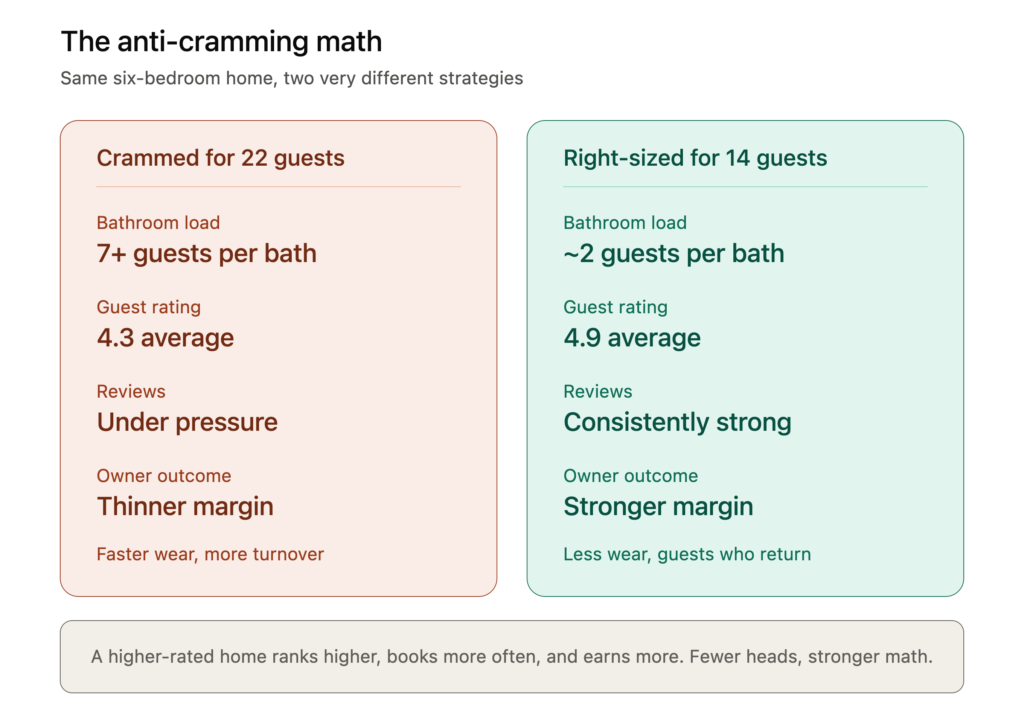
Run the math on a typical over-capacity listing, like a six-bedroom home with three bathrooms advertising 22 guests. That’s more than seven guests per bathroom. For a family reunion or bachelorette group trying to get ready simultaneously on a Saturday morning, that’s not a minor inconvenience; it’s the centerpiece of their one-star review. Compare that to a six-bedroom home with three bathrooms hosting a well-matched 14 guests. That’s roughly two guests per bathroom. Every guest gets ready without friction. Nobody writes a complaint. The property earns the review it deserves.
How Do Our Properties Handle the Bed-to-Bathroom Ratio?

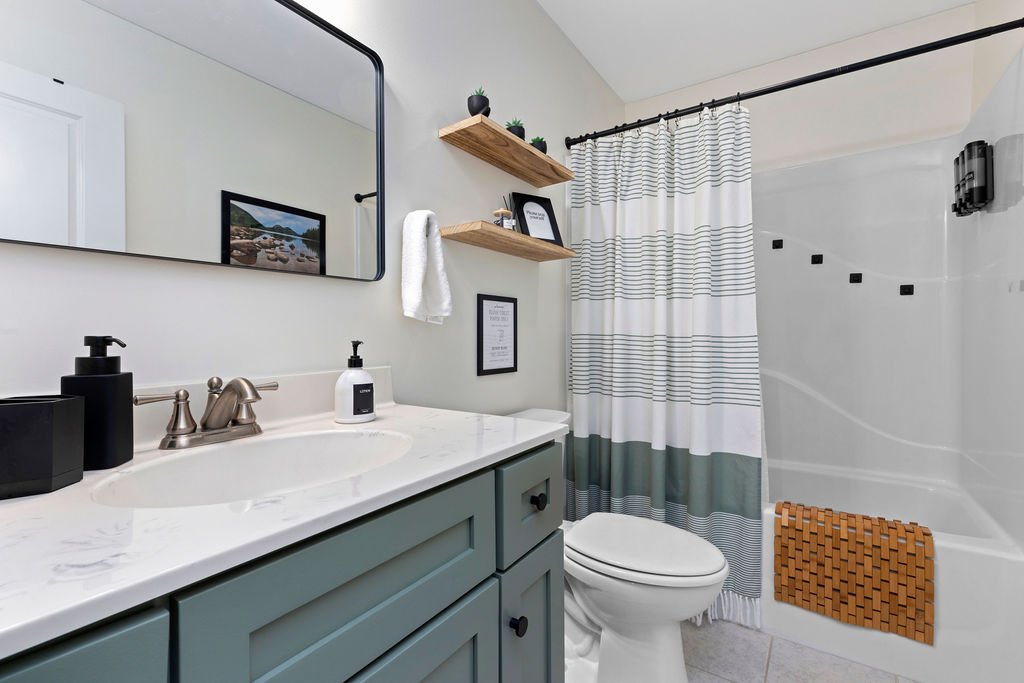
It’s something we take seriously with both properties we manage. The Lily Pad in Asheville is a six-bedroom home that sleeps 14 guests. That’s just over two guests per bedroom, with bathroom access that matches that scale. The Evergreen Retreat in Massanutten is a seven-bedroom property hosting up to 18 guests, also designed so that bathroom availability never becomes a pain point. Neither property pads its headcount with sofa beds or counts a half-bath as a full bathroom. That discipline shows up directly in guest satisfaction scores.
What Does a Well-Managed Large Property Actually Look Like?
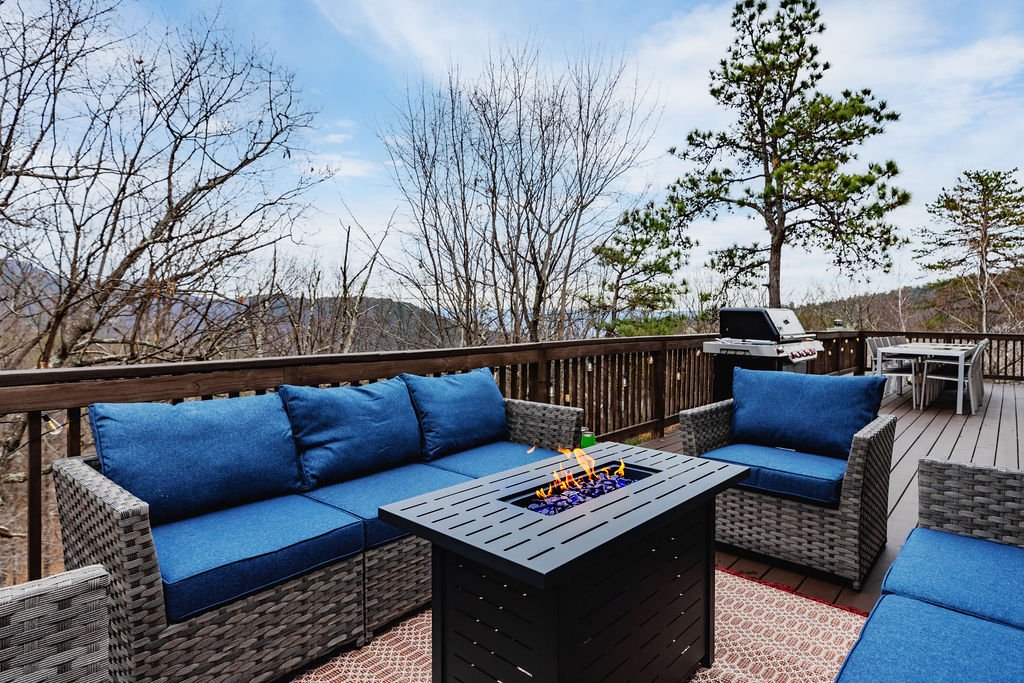
Properties in this size range routinely list with capacities of 24, 26, or even 28+ by inflating numbers with pull-outs and daybeds. Or, the property owners have converted a small office or storage area into a bedroom by adding 2, 3, or 4 bunk beds in a very tight space. We’ve made a deliberate choice not to do that.
The result: higher average ratings, longer average stays, and a guest profile that treats the property with care. When you stop chasing the highest possible headcount and start optimizing for the right headcount, the whole economics of the property shift.
Does Sleeping Fewer Guests Hurt Your Booking Rate?
This is the question every property owner asks first, and it’s the right one. The short answer is does not meaningfully impact your booking rate. Sometimes the booking rate actually improves. Guests searching for large-group accommodations often filter by capacity and then sort by rating. A property sleeping 14 with a 4.9 average rating routinely outperforms a property sleeping 22 with a 4.3 average. The higher-rated listing appears more prominently, generates more inquiries, and converts at a better rate, all while hosting fewer people per stay.
Are You Experiencing Short-Term Rental Management Burnout?
If you own a large vacation property and find yourself handling maintenance calls every other week, negotiating damage disputes, or dreading the notification sound from your hosting platform, you’re likely dealing with the cumulative effect of over-capacity management. The property isn’t the problem. The strategy is.
A professional co-hosting arrangement shifts that burden entirely. We handle guest communication, pricing optimization, cleaning coordination, and maintenance triage. More importantly, we help you recalibrate the property’s positioning which almost always includes a candid conversation about whether the current listed capacity is actually serving your financial goals.
What Should Property Owners Look for in a Co-Host or Management Partner?
Experience with large-format properties matters enormously. Managing a home that sleeps 16 is a fundamentally different operation than managing a two-bedroom condo. Look for a co-host who can speak fluently about dynamic pricing, seasonal demand curves, and guest screening, not just someone who will list your property and wait. You also want someone who will push back when your instincts are working against your revenue goals. That includes the capacity conversation, and yes, the bathroom conversation too.
Ready to stop leaving money on the table?
We manage large vacation rentals in Asheville and Massanutten and we’re accepting new co-hosting partnerships. Let’s talk about your property.